Southern California rewards good design and punishes guesswork. A patio that looks perfect on install day can whiten with efflorescence by spring if the base traps water. A handsome limestone coping can spall inside a year if it sits beside a saltwater pool. Brass path lights cruise for decades while bargain aluminum pits in one summer in Marina del Rey. After years building patios, driveways, outdoor kitchens, and hillside walls across Los Angeles, Orange County, and Ventura, we have a clear view of what survives sun, salt, clay soils, and surprise downpours. This is the field-tested short list we use when advising clients who plan to live with their landscapes for a long time.
What Southern California Actually Does to Materials
The coastal sun is relentless. UV exposure breaks down binders in low‑quality concrete finishes, bleaches some stones, and makes sealers burn off faster. Ambient heat, often paired with dark surfaces, drives surface temperatures far beyond the air reading, so barefoot comfort and thermal shock both matter. Along the water, chloride ions in the air corrode fasteners, fuse boxes, cheap grill hardware, and any porous stone that wicks salty splashes.
Santa Ana winds push grit that abrades sealers and polishes soft stone. Most of our neighborhoods sit on expansive clays that swell when wet and shrink hard in summer. A rigid slab without joints or with thin subgrade preparation will crack, especially under vehicles or near tree roots. Earthquakes add lateral and vertical movement that stresses monolithic work. Freeze‑thaw is rare at sea level, but foothill and mountain projects flirt with winter lows that can shatter saturated stone or tile.
Then there is water. We go months with none, then get a flash flood. Poor drainage rots wood posts, undermines edges, pops tile, and stains everything. If you have a hillside, hydrostatic pressure behind walls is the unseen force that returns poorly built structures back to nature. The most durable material is the one paired with the right assembly, base, and drainage.
How We Evaluate Materials Before We Specify Them
Every product gets weighed on six criteria: structural capacity, dimensional stability under heat and moisture, UV and salt resistance, slip resistance when wet, maintenance burden, and cost over the life of the project. A material can look stunning in a sample box but fail any one of these on site. Our crew also looks for details that separate marketing from reality. Does a paver system have perimeter restraints that actually hold in expansive soils. Are there compatible grouts and sealers. Does the manufacturer publish a coastal exposure warranty or is it excluded in the fine print.
When the best choice is not obvious, we build mockups and test. A porcelain paver that reads as cool gray at noon might flash blue near sunset. A quartzite that seems hard can still develop iron staining sourced from the stone itself. Those are surprises you want in a test panel, not in your finished courtyard.
Paver Systems That Endure: Concrete, Porcelain, and Natural Stone
Interlocking concrete pavers remain our default for patios and walkways that need longevity without drama. They are thick, strong, color‑stable in better lines, and when installed over a compacted Class 2 base with a geotextile separation layer, they flex with soil movement rather than cracking. For patios, we typically specify a 4 to 6 inch Class 2 base over compacted native or imported fill, compacted in lifts to at least 95 percent relative compaction. For driveways, 8 to 12 inches depending on soil and vehicle loads. Joints get polymeric sand that locks after moisture activation but still allows micro movement. Edge restraint is critical. We like a concrete toe or a cast‑in curb rather than plastic in high heat zones.
Porcelain pavers, usually 20 mm thick, have surged for pool decks and modern patios that demand consistent color and ultra‑low absorption. They shrug off salt and chlorine, resist staining, and do not need sealing in most cases. Slip resistance varies by finish. We insist on outdoor‑rated textures with DCOF values that remain safe when wet. Installation matters more than in marketing brochures. On sand‑set assemblies, we use a bedding layer with a tighter gradation than typical decomposed granite to prevent point loads from cracking corners. In raised or rooftop settings, pedestal systems give porcelain freedom to move and keep the assembly lighter. Near the beach, porcelain weathers far better than many limestones and sandstones.
Natural stone is still the bar for timelessness, but the species and finish make or break performance. For pool coping and decks, we favor dense stones like quartzite, basalt, and some granites. Travertine looks great, stays cool underfoot, and works inland on patios, but it is risky beside saltwater or exposed to repeated deicing in mountain zones. Limestone wide open to salt air is a recurring heartbreak. If a client loves limestone tones, we look to porcelain that mimics that palette garden landscapers Pasadena or to denser limestones with proven coastal track records and frequent sealing. Flame‑finished granites handle heavy foot traffic and tires, but darker tones can run hot. When rate of heat gain matters, we steer toward lighter quartzites with a textured finish.
We often field the pavers versus stamped concrete question because both can produce similar looks initially. Stamped concrete has lower upfront cost per square foot and clean jointing, but it is a rigid slab. On expansive soils, it wants more steel, thicker sections, and well‑planned joints, or it will crack. Sealers need frequent refresh under UV, and recoloring is common. Interlocking pavers carry a higher install labor cost but usually a better lifetime profile because repair is modular, the surface is slip‑resistant even when sealed, and manufacturers back structural performance for life when installed to spec. For clients deciding between Paver Patios vs Stamped Concrete: Pros and Cons, we often build side‑by‑side samples to level set expectations on texture, glare, and heat.
Driveways That Survive Tires, Oil, and Turning Loads
Driveways see the worst combination of weight, hot tires, and tight turns. Concrete slabs perform, but a poorly cured or jointed driveway telegraphs every stress. We design most concrete driveways at 4 to 6 inches thick with 3,500 to 4,000 PSI mix, rebar or mesh, well‑laid control joints, and a broom or exposed aggregate finish for grip. Decorative overlays can flake under hot tires.
Permeable paver driveways solve runoff and look high‑end, but they demand a deeper open‑graded base and vigilant maintenance. Leaves and sediment must be vacuumed periodically to keep infiltration rates up. For homes with clay soils and no room for infiltration, we build conventional paver systems with integrated channel drains that collect and route water to safe discharge. When clients ask about The Most Popular Driveway Materials in Los Angeles, concrete with a sandblasted finish, interlocking pavers in contemporary formats, and an exposed aggregate banding pattern consistently top the list. If curb appeal is the driver, 15 Driveway Paving Ideas to Improve Curb Appeal often starts with simple changes like a contrasting soldier course or a ribbon detail that breaks up mass without increasing maintenance.
Pool Decks, Coping, and Waterline Choices That Beat Chemicals and Heat
Pools add three stressors: water chemistry, slip risk, and heat. Porcelain earns its keep here. It tolerates salt and chlorine, shrugs off sunscreens and spilled drinks, and keeps color true. Choose a light tone and a textured finish for cooler, safer footing. For the coping, we often miter porcelain with a reinforced edge or use a dense stone with an eased bullnose that does not retain heat.
Glass mosaic at the waterline is timeless and handles scale scrubbing better than many ceramics. Adhesives and grout must match the chemistry. We use high‑performance setting materials and epoxy or urethane grout in high exposure pools. Behind the tile, proper waterproofing prevents efflorescence that can stain the face. Clients planning Pool Landscaping Ideas for Los Angeles Homes also benefit from shade structures or specimen trees that do not shed aggressively into the pool, reducing chemical demand and slip risk.
Outdoor Kitchens Built for Heat, Grease, and Ocean Air
Outdoor kitchens live hard lives. We have rebuilt too many island frames made from pressure‑treated lumber that wobbled and mildewed within five years. In our climate, masonry block cores or welded steel with proper coatings give the longest service. For doors and drawers, marine‑grade 316 stainless resists pitting in coastal zones; 304 stainless is fine inland. Powder‑coated aluminum cabinets work if the coating is thick and hardware is stainless.
Countertops need to handle heat, red wine, and citric acids. Porcelain slabs and sintered stone are top performers for stain and UV resistance. Granite still works, but the finish matters. A leathered or honed surface hides etching better than high polish. Concrete counters look crisp and can be customized, but hairline cracking is part of the material language, and sealers require attention. If you are budgeting and wondering How Much Does an Outdoor Kitchen Cost in Los Angeles, most functional builds with gas, power, water, and durable finishes land between 25,000 and 80,000 dollars, with luxury runs well above that depending on appliances, stone, and shelter.
Grill placement, venting, and wind behavior matter. Santa Ana winds can push flame and heat at the backsplash. We add insulated jackets around built‑ins, specify clearances, and design backsplash assemblies with noncombustible materials. If smoking or searing is on the menu, grease management must be thorough. Drip trays and easy‑clean access save headaches.
Retaining Walls on Hillsides: Drainage Is the Hidden Structure
Steep lots are a fact of life here, and they can be transformed with well engineered walls. Gravity walls built from segmental retaining wall (SRW) blocks, with geogrid reinforcement and drainage stone, remain cost effective up to the mid teens in height with terracing. For taller single lifts or tight footprints, CMU with steel and grout or cast‑in‑place concrete brings higher capacity. Natural stone veneer can be added for warmth.
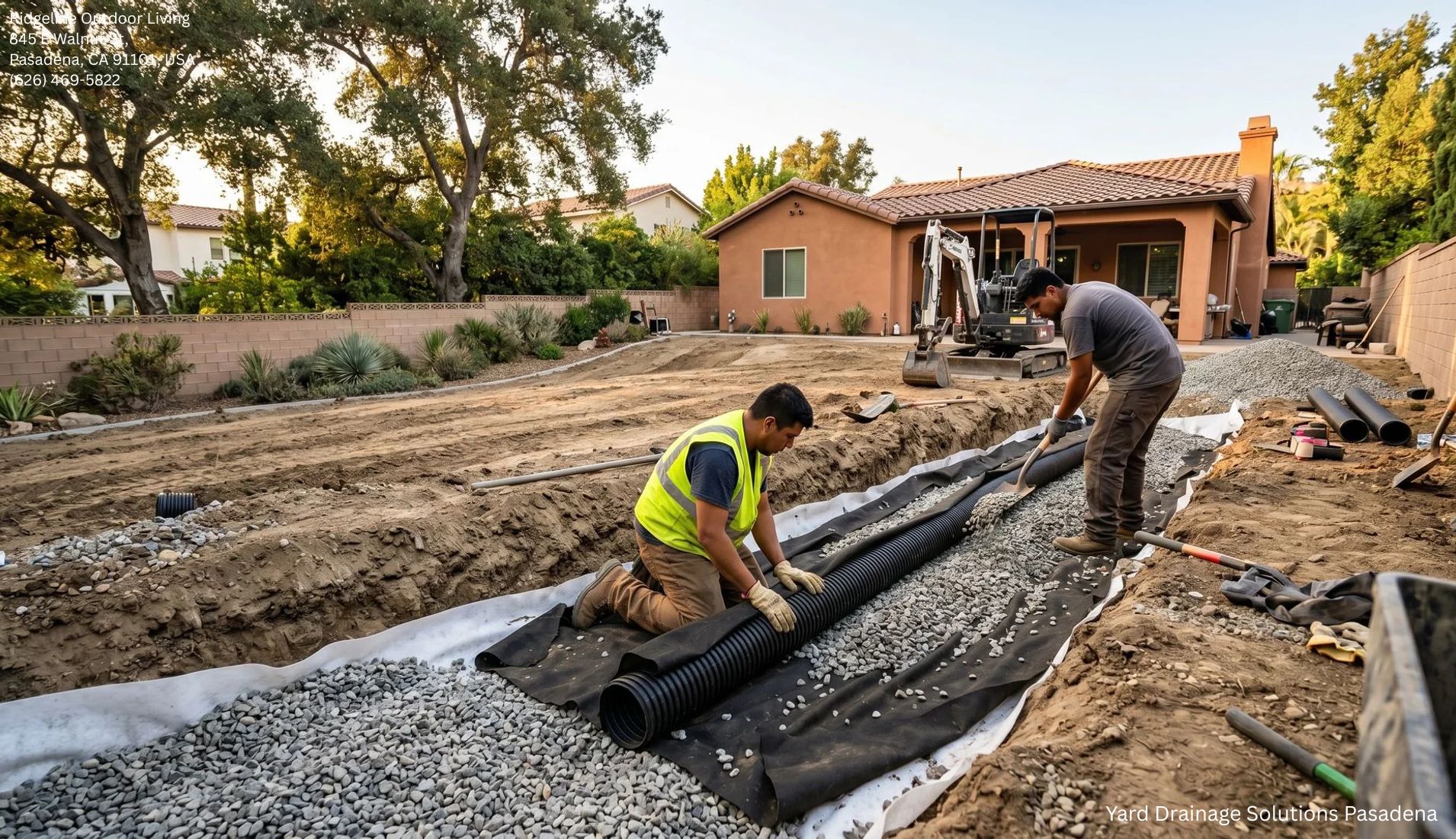
What homeowners need to know mirrors The Complete Guide to Retaining Walls in Los Angeles and Retaining Walls for Hillside Properties: What Homeowners Need to Know. The wall you see is not the wall that holds your hill. Weeping holes, drains behind the wall, and an unbroken path for water to exit are non‑negotiable. A French drain behind a wall is not just a perforated pipe thrown in a trench. It needs graded stone, a filter fabric to keep fines out, a defined discharge, and sometimes a cleanout. In very plastic clays, we introduce a fin drain or panel drain to help intercept water. If you want to understand why some walls lean within two winters, French Drains Explained: Protecting Your Property From Water Damage is the place to start.
Decking, Pergolas, and Shade Structures That Do Not Warp
For decks, composite boards have their place, but not all brands behave the same under 100 degree heat. Some dark composites get painfully hot and may creep at joists over time. Premium capped composites and PVC boards with lighter colors perform best for heat and stain resistance. Wood still works when detailed right. Ipe and other dense tropical hardwoods resist rot and wear, but they gray unless regularly oiled and can splinter if neglected. Cedar and redwood need diligent sealing. We use hidden fasteners or stainless screws to avoid tannin streaking and rust.
Pergolas vs Covered Patios: Which Is Right for Your Home is a practical debate. Aluminum pergolas with adjustable louvers bring shade without rot, especially near the ocean. Steel frames, hot dip galvanized then powder coated, hold up when aluminum feels too light for the architecture. When we build wood, we detail posts off grade on steel bases, flash everything, and specify stains that endure UV rather than paints that peel. Covered patios protect kitchens and furniture, cut UV exposure dramatically, and reduce maintenance, but they need proper drainage and structural calcs for wind loads.
Fire, Water, and Night Lighting
Fire features arrive in every form, from small tabletop burners to linear see‑through walls. If you are considering 12 Backyard Fire Pit Ideas for Entertaining Year‑Round, material selection starts with heat tolerance. Porcelain and dense stone around the opening, stainless or brass burners, and vent paths for LP or natural gas lines. We avoid soft stones at the inner rim and use lava rock or rated glass media. Spark arrestors make sense near canyons.
Water features demand waterproofing and stable substrates. Cast concrete basins with integral waterproofing resist movement better than thin masonry shells. If you want mirror smooth flow over a weir, we isolate pumps from vibration and keep intake screens accessible. For 12 Water Feature Ideas for Luxury Los Angeles Backyards, we still prefer materials that can be serviced without ripping out finishes. That means access doors, unions at pumps, and penstocks with isolation valves.
Business Name: Ridgeline Outdoor Living
Address: 845 E Walnut St, Pasadena, CA 91101, United States
Phone: (626) 469-5822
Ridgeline Outdoor Living
Ridgeline Outdoor Living is a Pasadena-based landscape design-build company serving Greater Los Angeles with custom outdoor living, hardscape, and drought-tolerant landscape solutions. The company specializes in patios, retaining walls, outdoor kitchens, drainage, hillside projects, and turnkey landscape construction, handling projects from design and permitting through final build and warranty.
845 E Walnut St, Pasadena, CA 91101, USA
Business Hours:
- Monday – Saturday: 8:00 AM – 6:00 PM
- Sunday: Closed
Follow Us:
Lighting choice is simple if you look past initial cost. Brass and copper fixtures patina but do not corrode away. Powder‑coated aluminum looks good out of the box but often fails early near the coast. Integrated LED with replaceable drivers makes maintenance easier. Many 10 Outdoor Lighting Ideas for Los Angeles Landscapes begin with beam control, not just brightness. Grazing across stone, backlighting through drought‑tolerant grasses, and low, warm path lights keep glare down and security up.
Sustainability, Heat, and Water
Durable landscapes can also be water wise. Planting palettes from The Best Drought‑Tolerant Plants for Los Angeles Yards integrate with hardscape choices that reduce irrigation overspray and runoff. Permeable pavers, gravel bands along edges, and accurate slope to drains help you manage stormwater and keep patios clean. Artificial Turf vs Sod: What’s Best for Los Angeles Homes is a real question. Synthetic turf saves water but can run hot in full sun and needs proper infill and subdrainage to avoid odors. We often combine smaller turf panels with trees and shade sails to keep surface temperatures humane.
Cool surfaces matter. Lighter pavers and stones reflect more sunlight, lowering heat buildup. Porcelain with high solar reflectance index where aesthetics allow makes a deck more usable in August. Shade multiplies the life of finishes, fabrics, and sealers.
The Ridgeline Durability Checklist
- Confirm soil type and compaction targets before design. Plan base depths, geogrid, and drainage for the actual site, not a generic detail. Choose materials rated for UV, salt, and heat. Favor porcelain, dense stone, and interlocking pavers with proven coastal performance. Prioritize drainage everywhere. Slope hardscapes to inlets, detail French drains with fabric and cleanouts, and give retaining walls paths to relieve pressure. Use corrosion‑resistant metals. Specify 316 stainless near the ocean, brass or copper for lighting, and hot dip galvanized steel where hidden. Design for service. Keep access to pumps, transformers, gas valves, and junctions. Select modular surfaces that allow easy repair.
Joints, Edges, and the Small Decisions That Decide Lifespan
Most failures trace back to edges and joints. Patio edges without a rigid restraint spread over time. We pour concealed curbs that lock pavers and set steel edging only where thermal cycling will not loosen stakes. For tile and stone, expansion joints at prescribed intervals and soft joints at changes of plane prevent tenting and cracking. Grout choice flips the maintenance script. Epoxy and urethane grout cost more up front but repel stains and inhibit weeds in exterior joints. Cement grouts are repairable and cheaper, but need sealing and mending over time.
Sealing divides opinion. For dense porcelain, we rarely seal. For natural stone and concrete pavers, we test small areas to see how the stone takes a penetrating sealer. Film forming sealers often gloss and peel under UV. Near the coast, sealers degrade faster because salt and sun work together. We tell clients to budget for resealing pavers every 2 to 3 years inland and 1 to 2 years near the water if they want that freshly washed look. If they prefer a more natural patina, maintenance shifts to gentle washing and spot treatment.
Drainage and Slope: Quiet Work That Prevents Big Repairs
A patio can be perfectly flat to the eye and still move 1 to 2 percent of water. Long runs need breaks so water does not speed along and jump curbs. On tight urban lots, slot drains provide capture without visual clutter. We combine channel drains across garage thresholds with permeable bands to keep driveways clean and safe. Common Landscape Drainage Problems and Their Solutions begins at the downspout. Tie roof leaders into drains that bypass patios, not across them. Where yards flood, How to Prevent Yard Flooding With Proper Drainage Solutions often involves a combination of grading, inlets, and relieved discharge at the curb with backflow prevention. For clients who suspect issues, 10 Signs Your Yard Needs Better Drainage include standing water after 24 hours, algae bands along hardscape edges, and settling near walls or steps.
Cost, Value, and Where to Splurge
What Does Hardscape Construction Cost in Los Angeles is a fair question, and the range is wide. Material choice is only part of it. Soil, access, engineering, and permits can match or exceed finish costs. A 600 square foot paver patio might range from the mid teens to the forties per square foot installed depending on base depth, cutting complexity, and retaining work. Retaining walls run from a few hundred to more than a thousand dollars per linear foot, driven by height, type, and engineering. Outdoor kitchens, as noted, span from simple prefabs to custom builds that rival indoor kitchens.
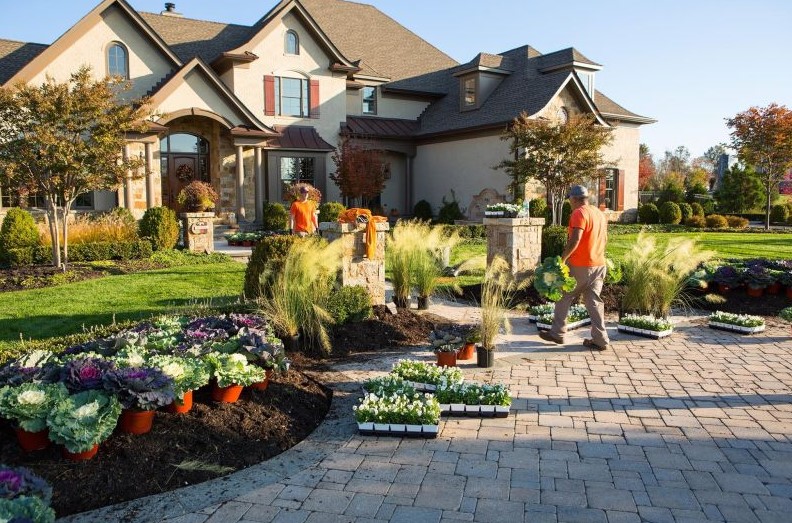
If you are prioritizing 10 Hardscaping Features That Increase Property Value, start with entries and driveways, add a comfortable, shaded dining patio, then consider a compact fire element for the cool months. Lighting is a small percentage of the budget and a big percentage of perceived quality. Perimeter walls and gates that define privacy transform daily experience.
Maintenance That Preserves the Warranty and the Look
- Sweep and rinse paved surfaces monthly in dry months, and after big winds. Avoid harsh pressure washing on soft stones. Inspect and clear drains after the first rains of the season, and after each major storm. Vacuum permeable joints annually where applicable. Check outdoor kitchen seals, tighten hardware, and clean burners seasonally. Reseal natural stone and pavers on the recommended cycle. Trim plantings away from walls and edges to prevent moisture traps and root pressure. Refresh mulch to protect soils and reduce splashback. Test lighting zones twice a year, clean lenses, and check transformer enclosures for corrosion, especially near the coast.
Where Design Meets Durability
We love a crisp modern courtyard and we love a lush Spanish revival terrace, but both must start with durable assemblies. That is why How Ridgeline Outdoor Living Creates Functional Outdoor Living Spaces and How Ridgeline Outdoor Living Designs Stunning Outdoor Spaces both begin with an honest read of the site. On hillsides, The Complete Guide to Hillside Landscaping in Los Angeles integrates walls, steps, and drainage into the planting plan. For clients chasing 10 Ways to Create a Resort‑Style Backyard at Home, we temper ambition with materials that do not ask for every spare Saturday.
If you are working toward 10 Outdoor Living Ideas Transforming Los Angeles Backyards, you will see pergolas, water, and kitchens on almost every list. The parts that last share a pattern. Use materials proven in sun and salt. Build assemblies that move with the ground. Give water a way out. Protect metals from corrosion. And design details you can service without a sledgehammer. Do that, and you end up with spaces that look as good in year ten as they did the week of the reveal. That is the sustainability that matters most in a climate like ours, and it is the filter we use on every project, from a compact courtyard in Highland Park to a tiered hillside in Pacific Palisades.